Major Arcana Complete Index
The 22 core archetypes that describe thresholds, identity shifts, and turning points in the tarot deck.
Use the list as a signal, not a verdict
A card can highlight momentum, friction, timing, or a condition to honor. Let the ranking help you frame a better question, then bring the answer back to your real-world context.
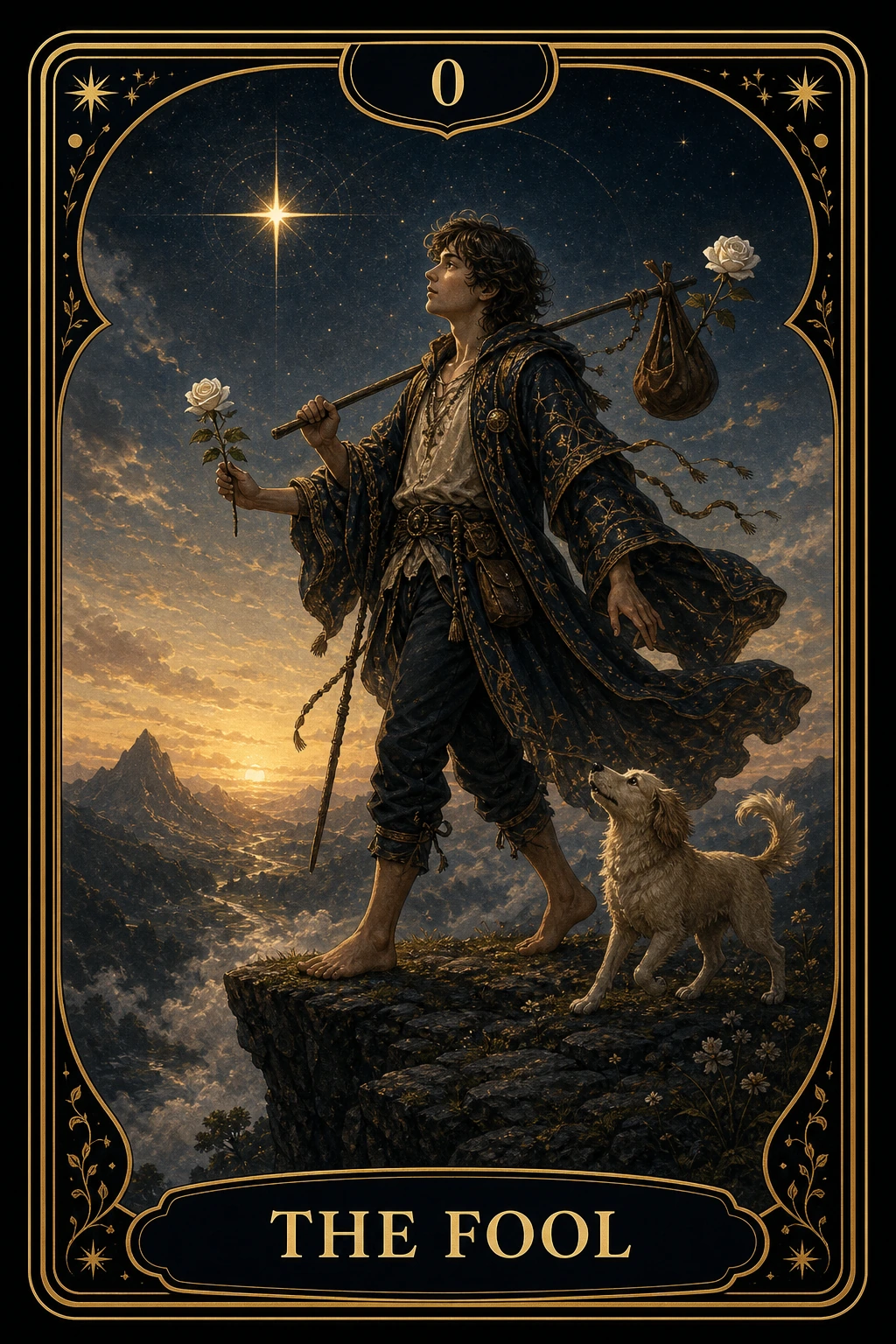
The Fool marks the point where life asks for movement before certainty arrives. Upright, it speaks to innocence that is not childish but alive: the willingness to meet experience without overprotecting yourself from every unknown. This card often appears when a new chapter cannot be managed through old rules alone. It asks for trust, experimentation, and a looser grip on outcome so that discovery has room to happen. At its core, The Fool is about beginnings, trust, and the courage to enter an unmapped chapter.
Conditional Yes. A beginning is favored if you accept risk without abandoning preparation.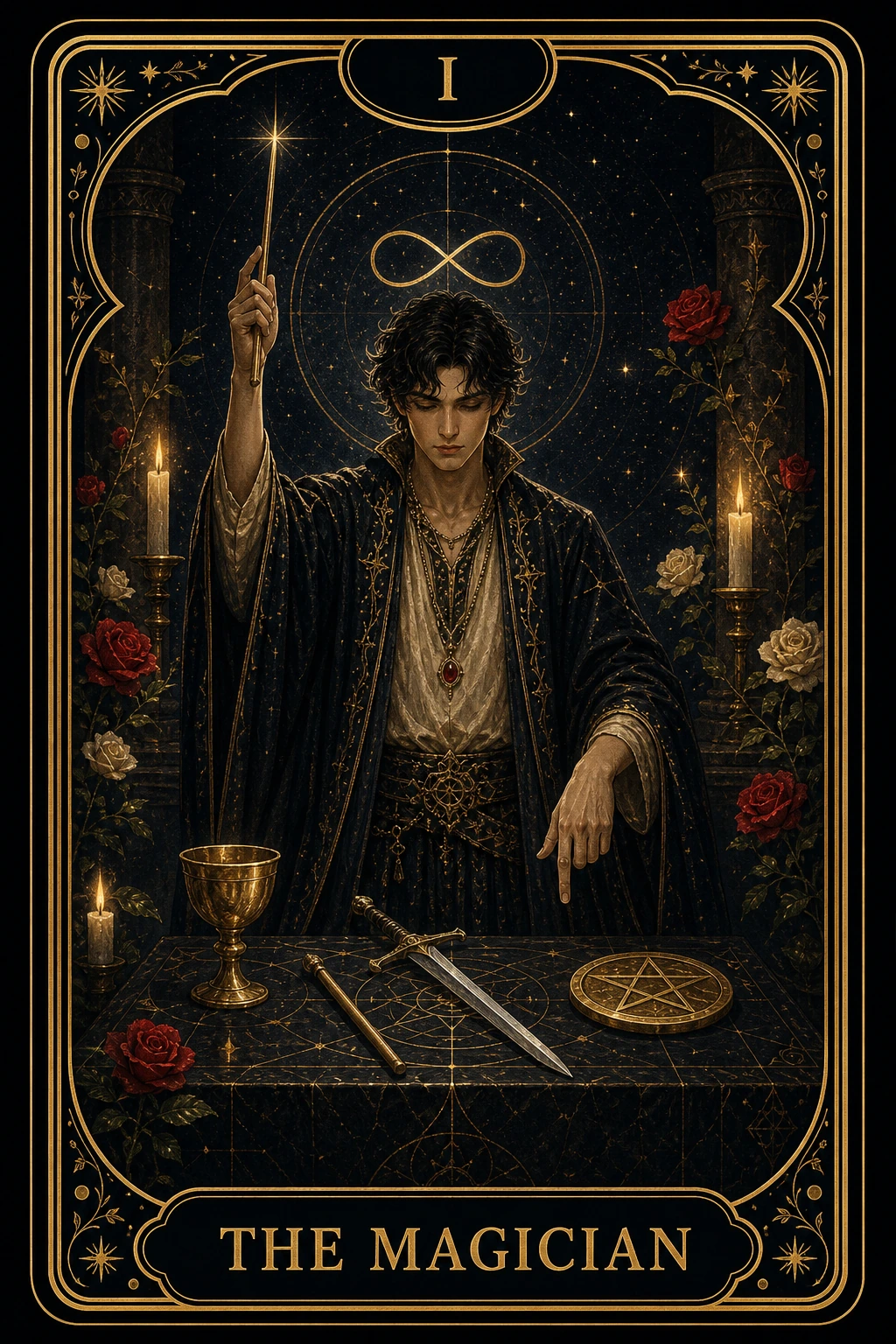
The Magician is the disciplined use of attention. Upright, it shows a moment when talent, timing, and self-belief can be coordinated into visible results. The card is less about fantasy than about translation: taking what exists in thought, language, or desire and building a workable channel for it. It favors skill, preparation, and the mature use of power. At its core, The Magician is about focused will, skill, and the ability to turn intention into form.
Clear Yes. The tools are present; the answer depends on focused action rather than wishing.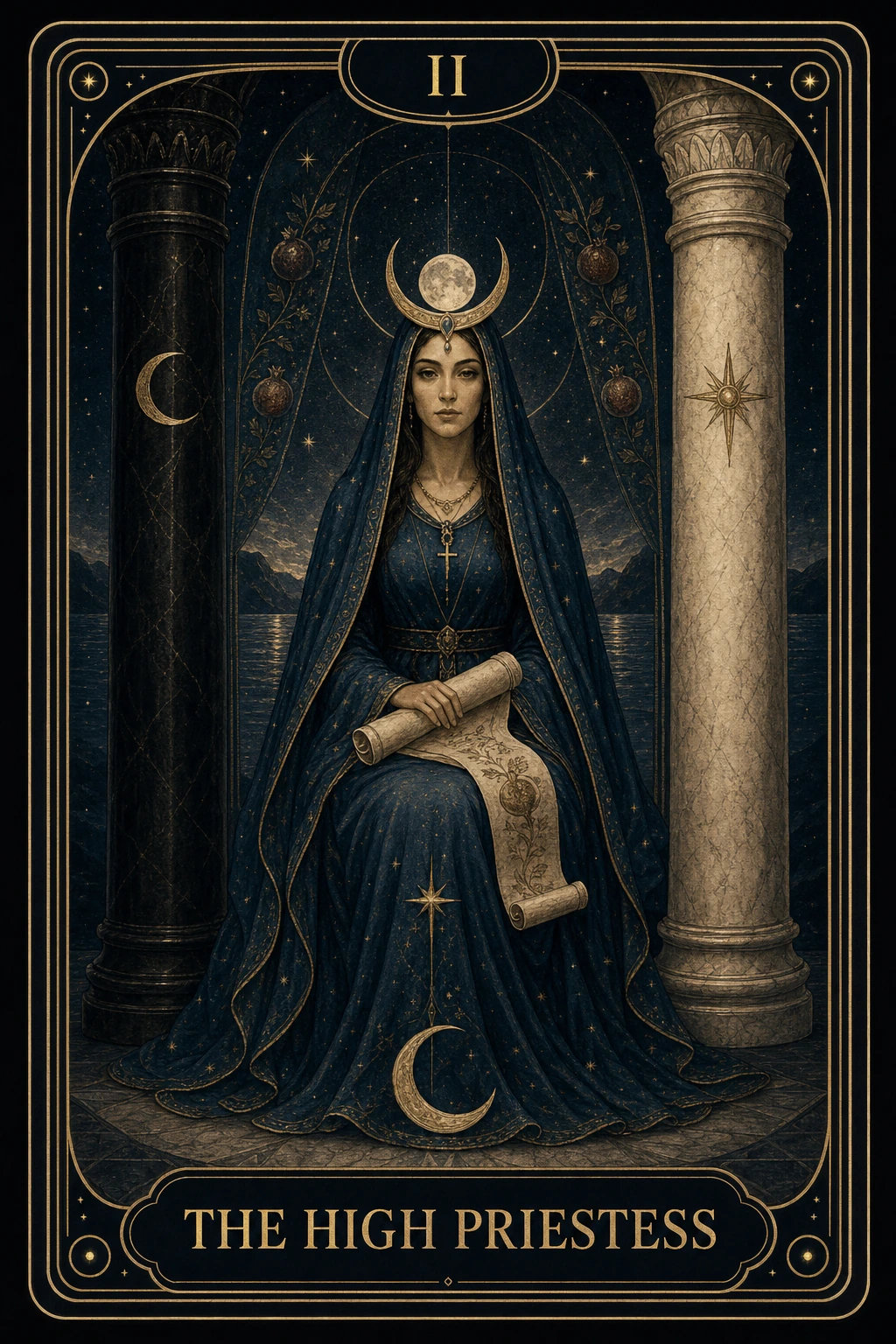
The High Priestess governs what is sensed before it is explained. Upright, she describes a period in which listening matters more than declaring, and where subtle information carries more truth than loud certainty. She asks for patient observation, emotional literacy, and trust in what repeats quietly underneath the obvious storyline. At its core, The High Priestess is about inner knowing, restraint, and perception beneath the surface.
Maybe. More information is still hidden, so wait for the quieter signal before deciding.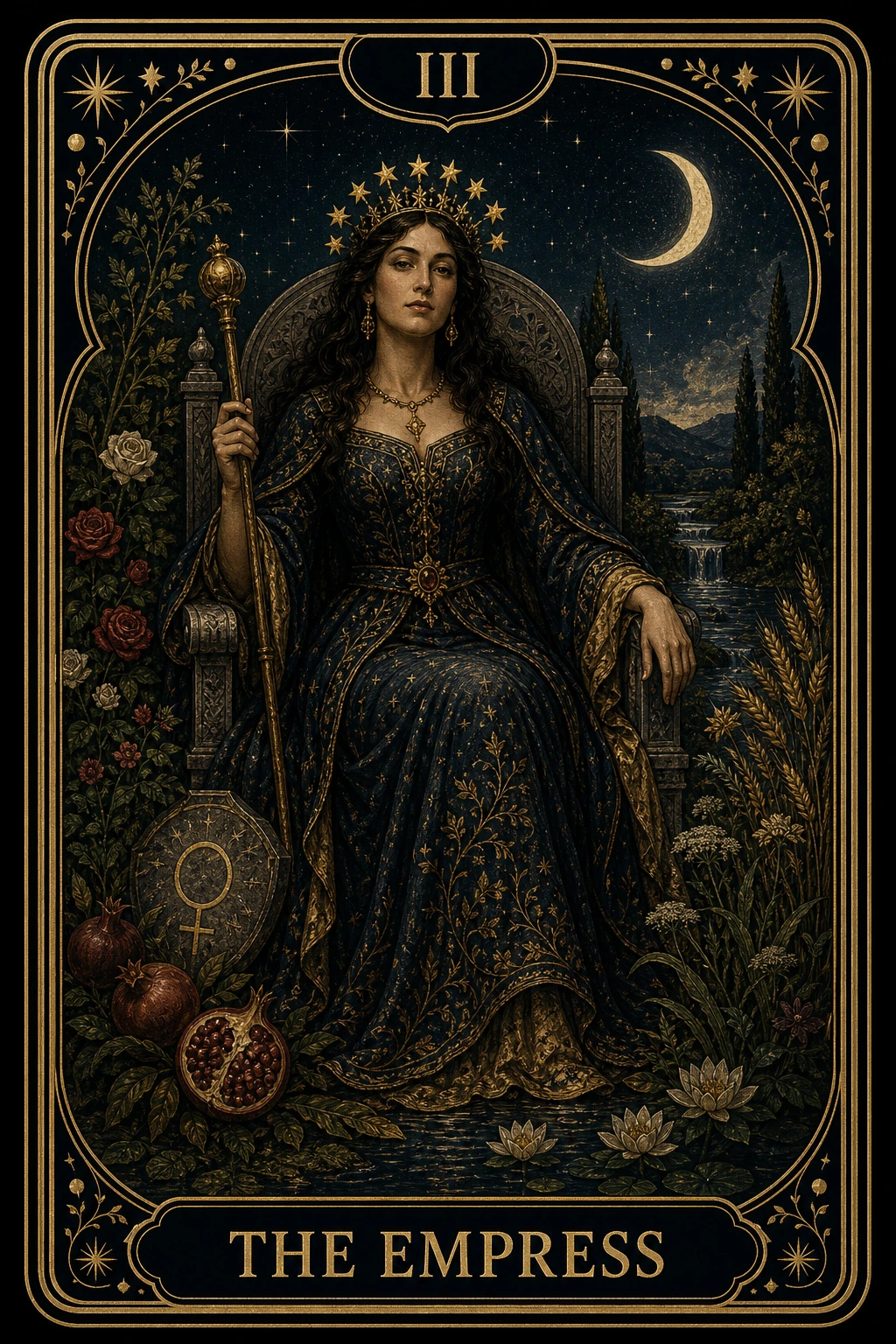
The Empress is expansive life-force made tangible. Upright, she points to growth that comes from nourishment rather than force: tending the body, supporting creativity, and building conditions where relationships or projects can flourish over time. She values receptivity, sensual presence, and the intelligence of pacing. At its core, The Empress is about nourishment, embodiment, and the power that comes from growth.
Clear Yes. Growth, care, and embodied support are working in favor of the question.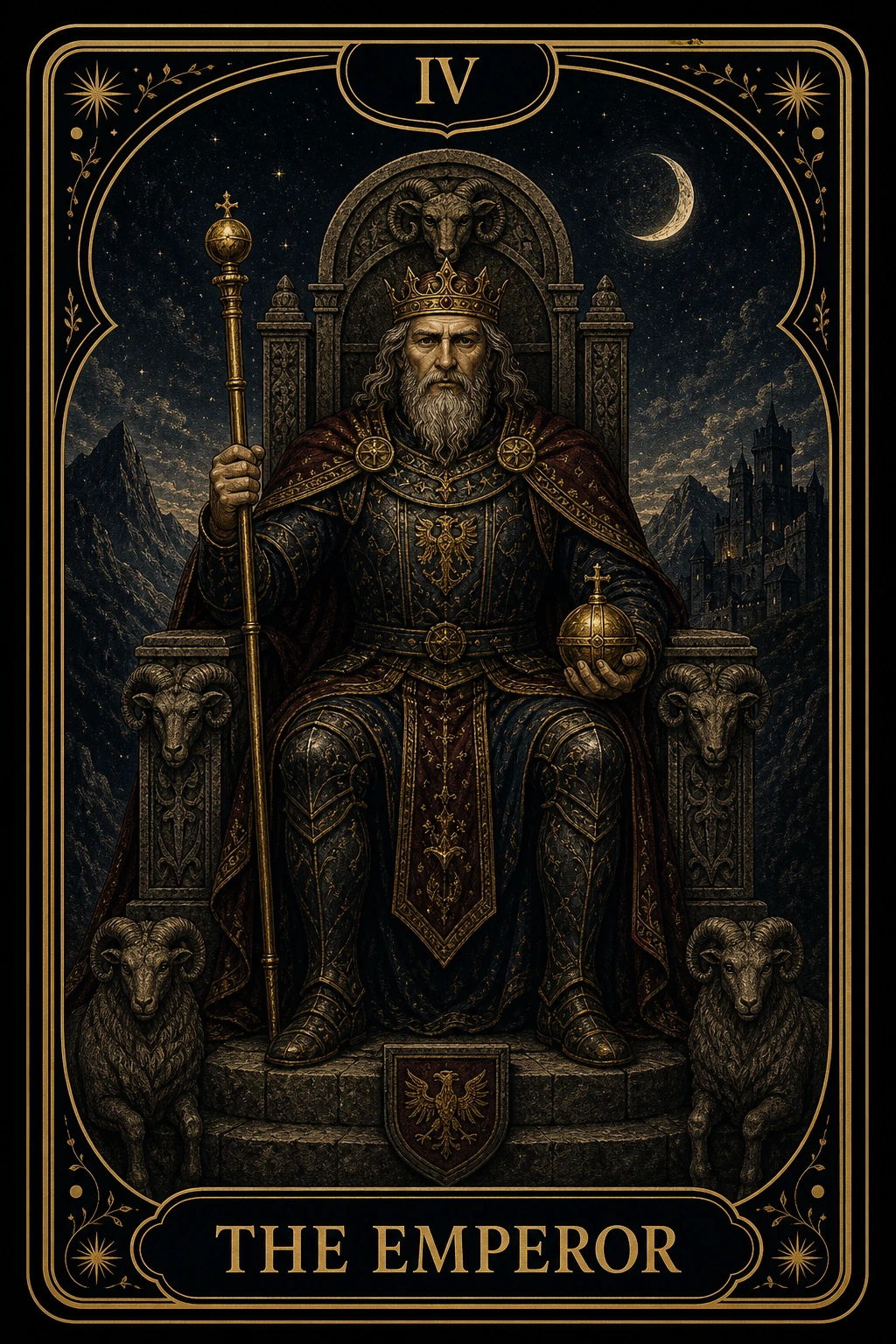
The Emperor represents structure that protects rather than suffocates. Upright, he appears when clear decisions, strong boundaries, and long-range planning are required. This card favors mature authority: taking ownership of consequences, organizing complexity, and making systems dependable enough that others can trust them. At its core, The Emperor is about structure, authority, and responsible direction.
Conditional Yes. The answer improves when structure, boundaries, and responsibility are in place.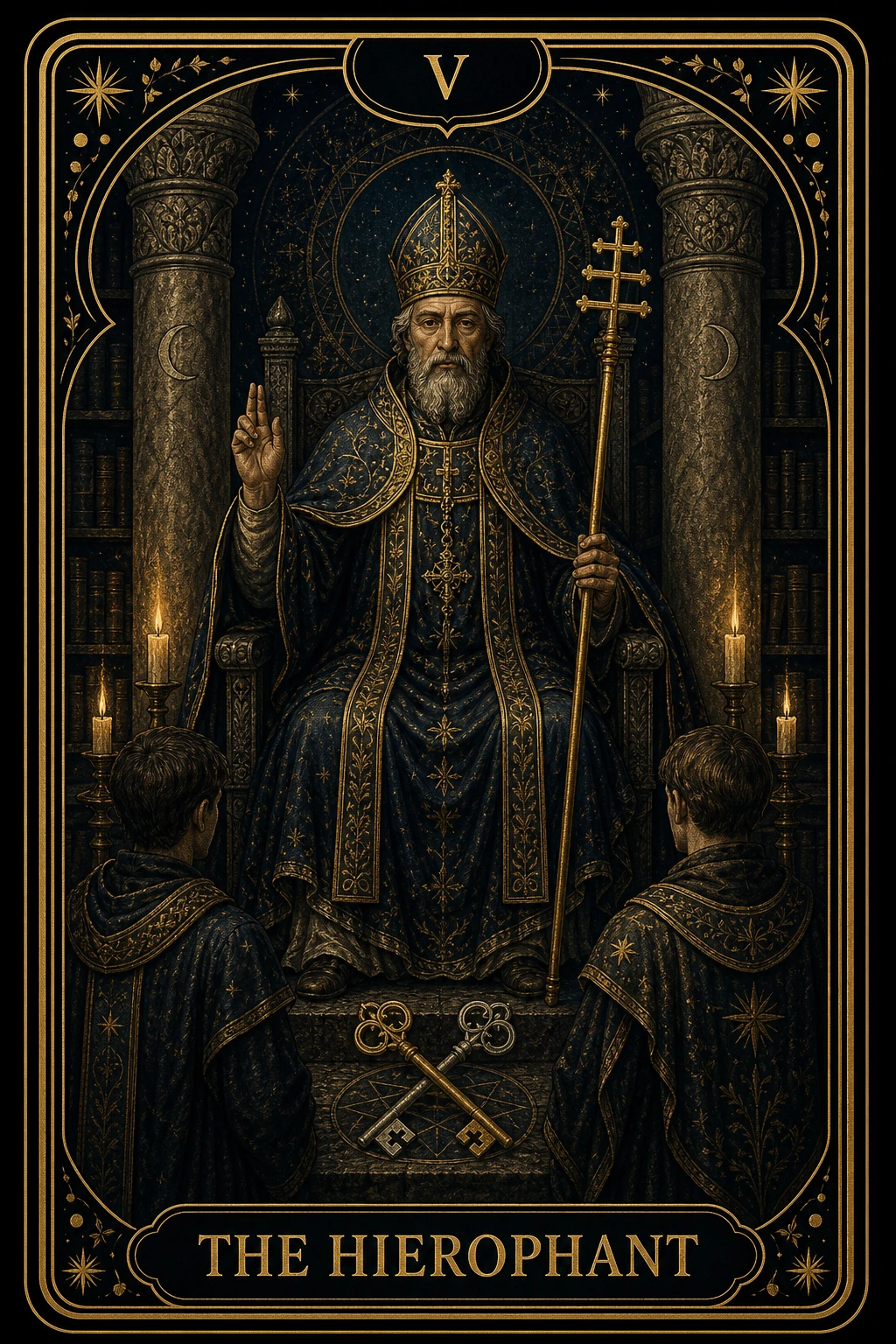
The Hierophant speaks to inherited wisdom, trusted process, and the social structures that help people learn, belong, and transmit value across generations. Upright, it favors study, mentorship, and working through tested frameworks before attempting reinvention. It can point to institutions, vows, disciplines, and agreements that offer shape to spiritual or practical life. At its core, The Hierophant is about tradition, teaching, and shared systems of meaning.
Conditional Yes. Shared values, tradition, or trusted guidance need to support the choice.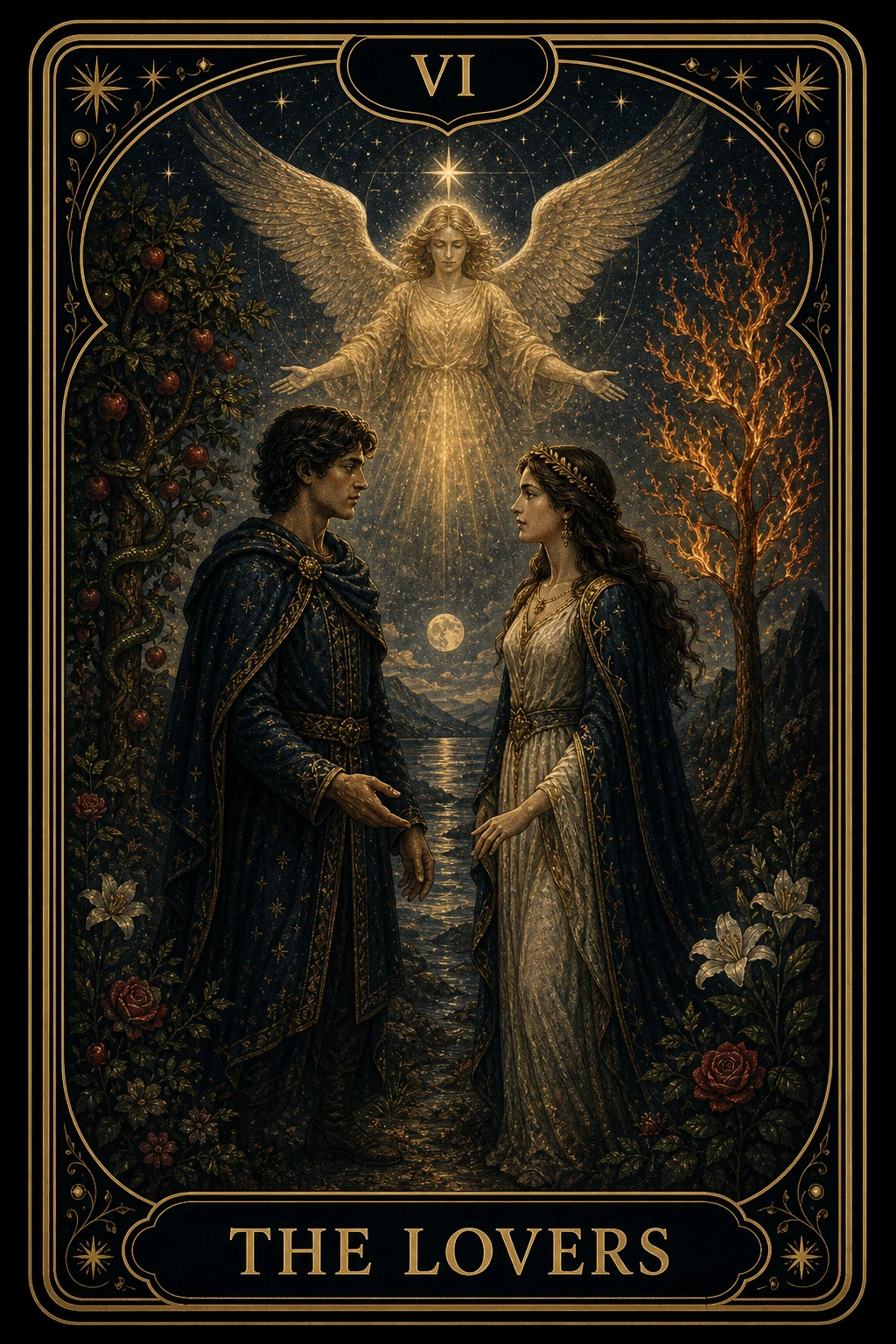
The Lovers is not only about romance; it is about choosing in a way that keeps the heart, body, and conscience in agreement. Upright, it points to relational clarity, mutual recognition, and the courage to commit to what genuinely matches your values. It often appears when a decision has emotional consequences and cannot be solved by logic alone. At its core, The Lovers is about choice, alignment, and honest reciprocity.
Clear Yes. The answer is strongest when the choice aligns with honest values and reciprocity.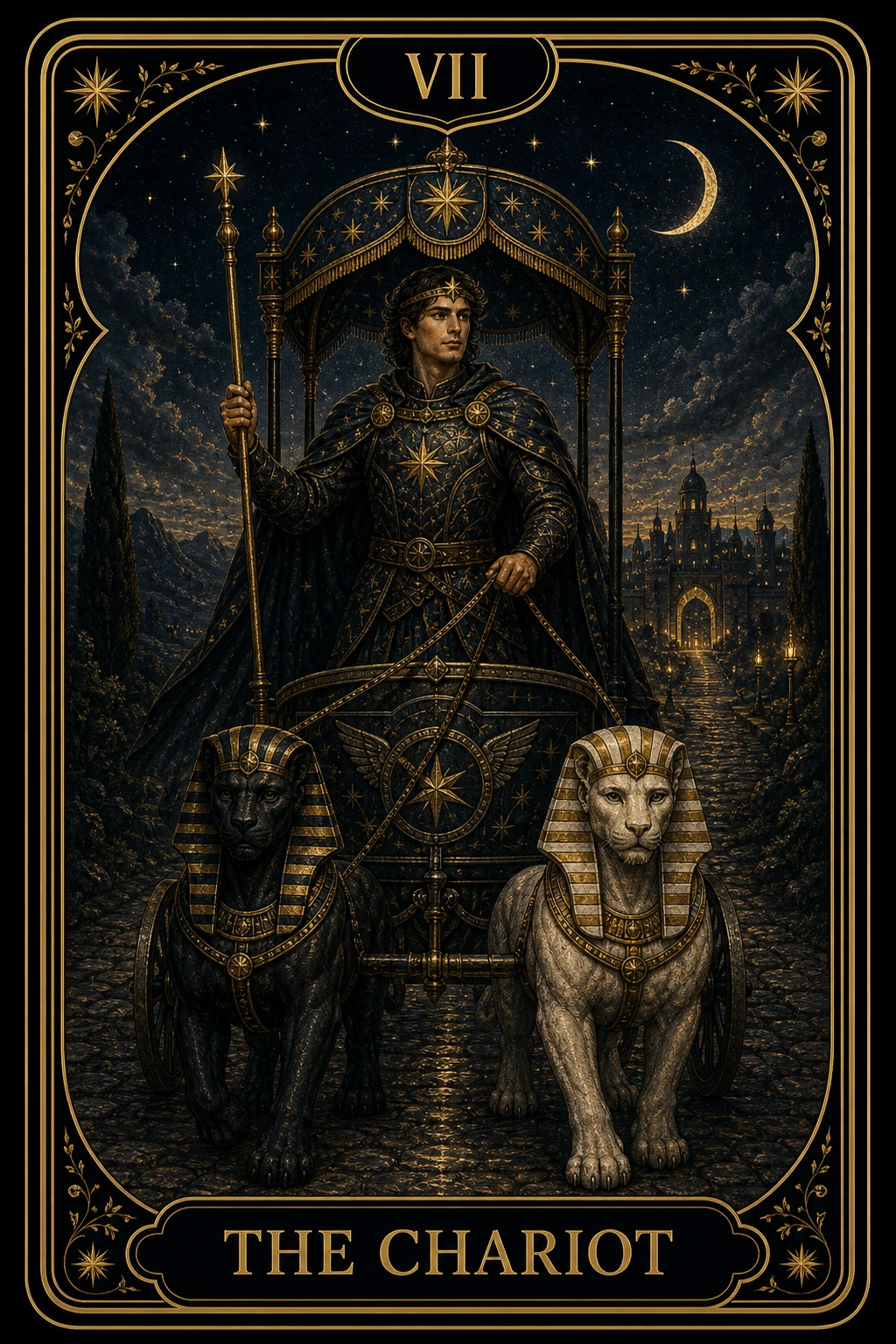
The Chariot is movement with purpose. Upright, it signals a period in which determination, discipline, and emotional regulation can carry you through competing pressures. The card does not suggest effortless flow; it suggests steering. Success comes from aligning instinct, will, and action behind one clear trajectory. At its core, The Chariot is about directed momentum, self-command, and disciplined ambition.
Conditional Yes. Momentum is possible if your will, direction, and discipline are aligned.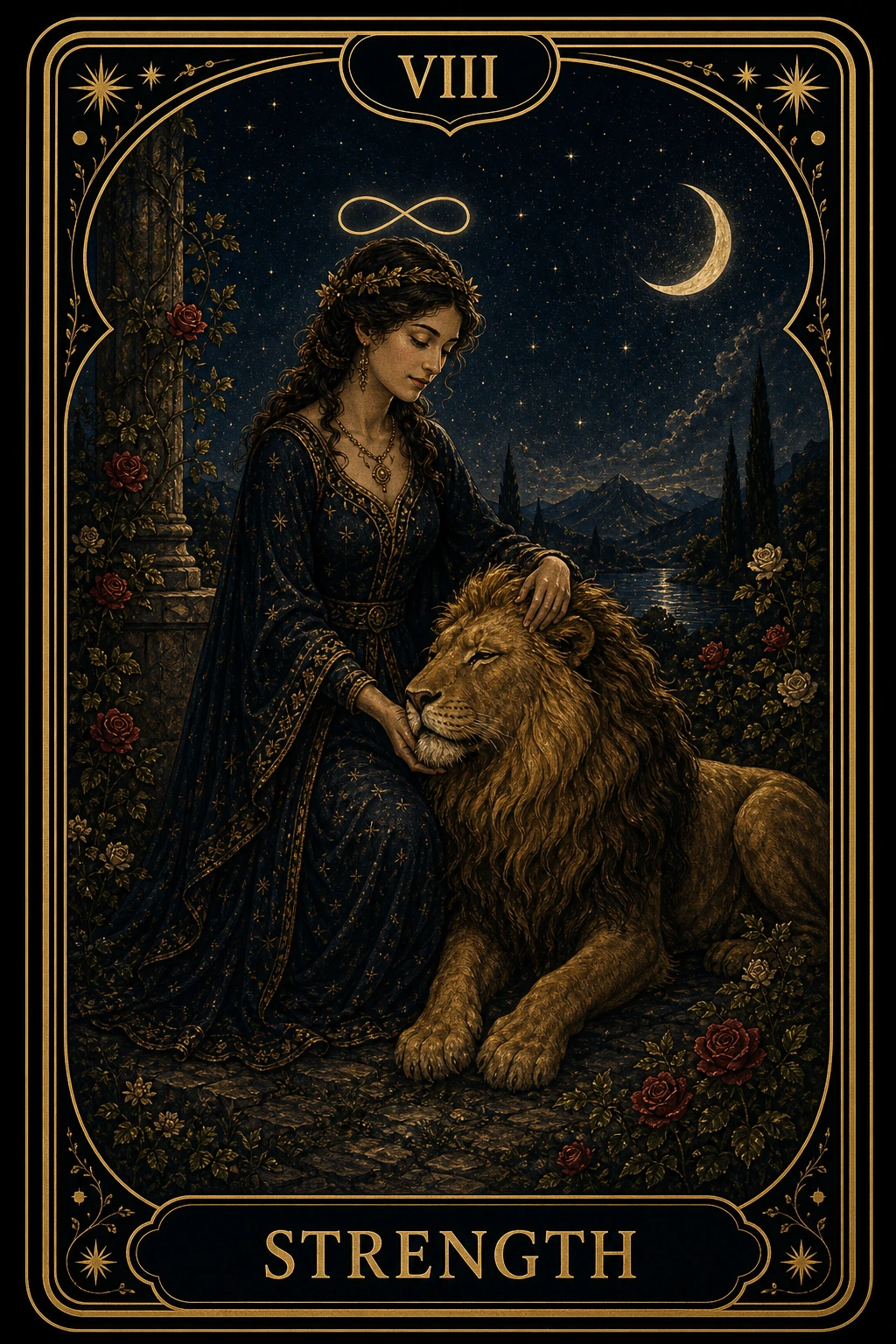
Strength describes power that does not need spectacle. Upright, it points to emotional regulation, patient endurance, and the ability to work with instinct instead of either suppressing it or being ruled by it. This is the card of inner steadiness, especially when the external situation invites panic or domination. At its core, Strength is about steady courage, instinct integration, and calm influence.
Clear Yes. Patient courage and steady influence support the outcome.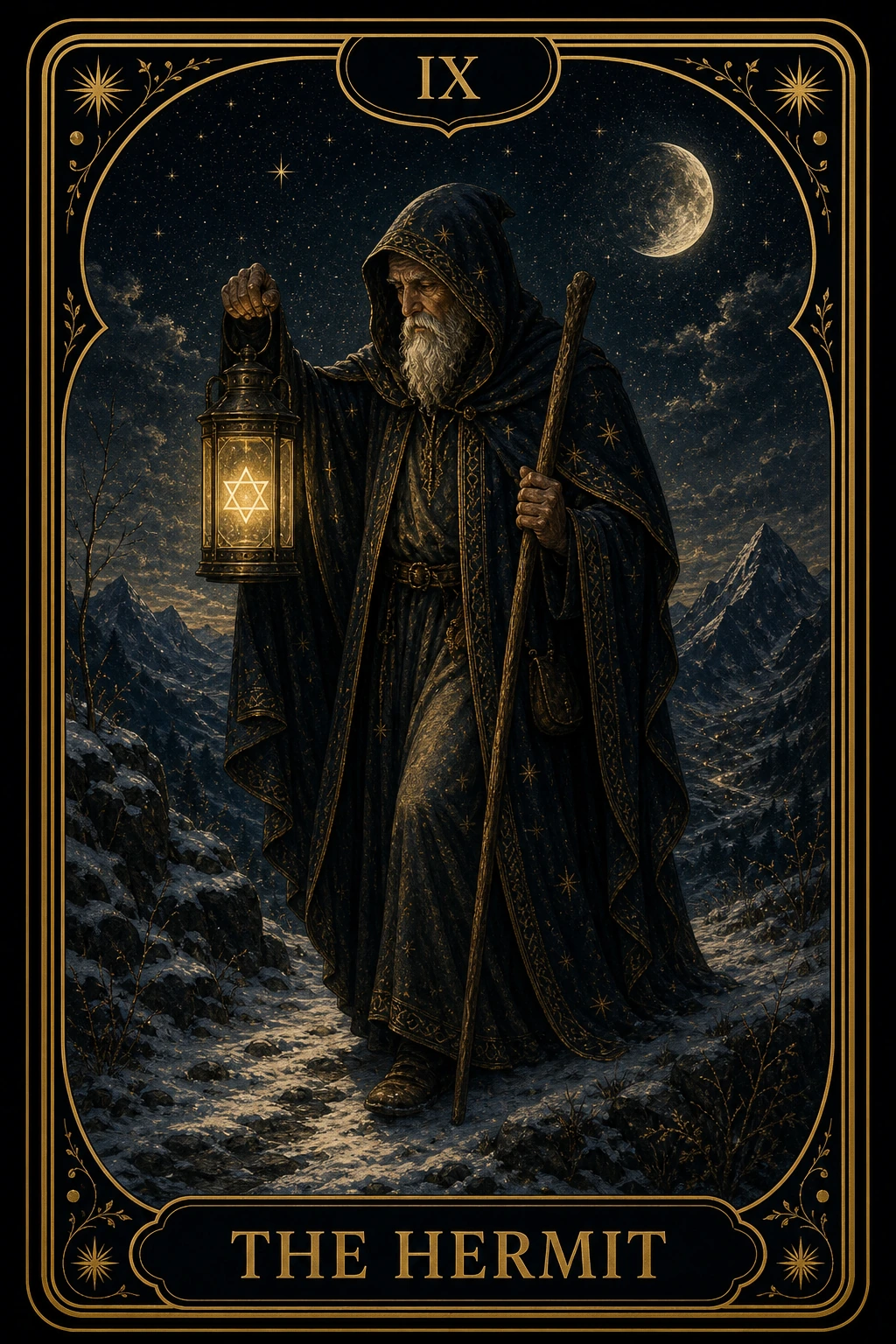
The Hermit invites strategic withdrawal so that thought can deepen and truth can separate itself from social noise. Upright, it favors reflection, research, spiritual practice, and the kind of solitude that clarifies rather than numbs. The card often appears when external pace must slow down for internal alignment to catch up. At its core, The Hermit is about solitude, reflection, and earned wisdom.
Maybe. Step back and seek clarity before treating the answer as final.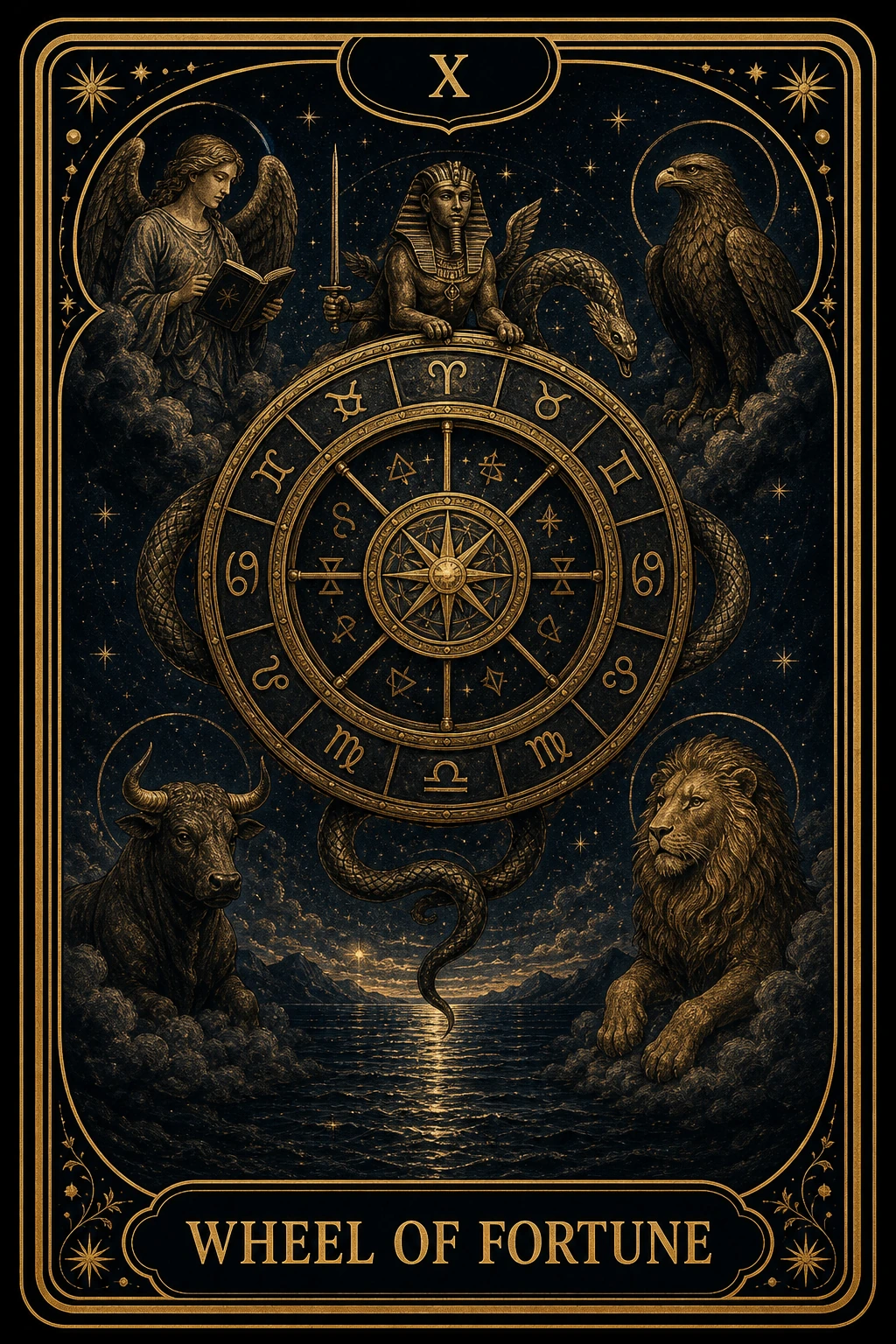
The Wheel of Fortune marks a shift in pattern. Upright, it often appears when life is moving through a larger cycle that cannot be managed solely through effort. Openings, reversals, meetings, and departures may happen quickly. The card encourages responsiveness, perspective, and respect for timing. You do not control the wheel, but you can decide how consciously you move with it. At its core, Wheel of Fortune is about cycles, timing, and forces larger than personal control.
Maybe. Timing is active, so the outcome may turn as conditions change.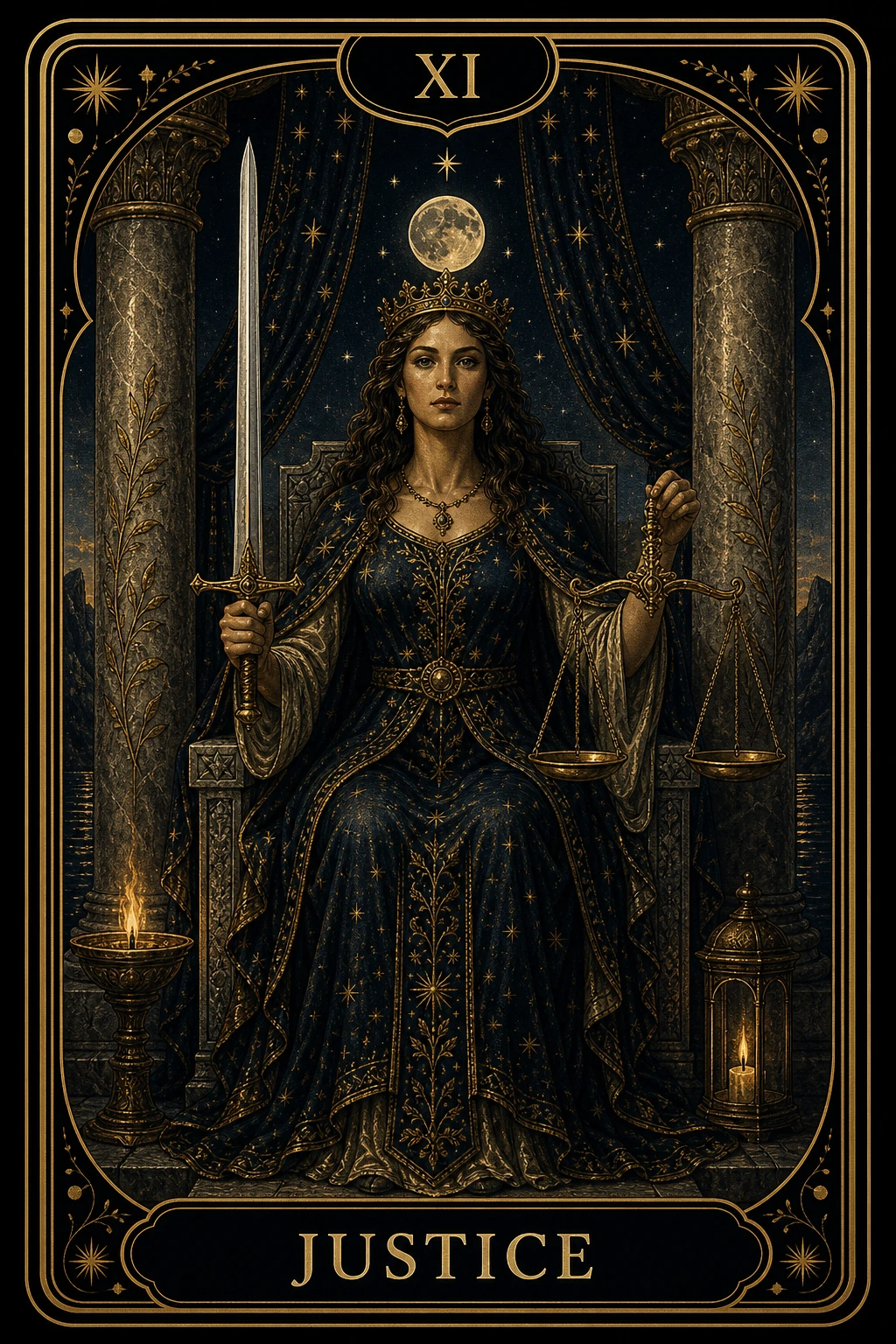
Justice is the card of clean seeing. Upright, it asks for honesty about motives, actions, and consequences. It favors contracts, decisions, and conversations that can withstand scrutiny because they are built on proportion and fact. On a personal level, it asks you to live in a way that reduces inner contradiction. At its core, Justice is about truth, accountability, and balanced consequences.
Conditional Yes. The answer depends on truth, accountability, and fair consequences.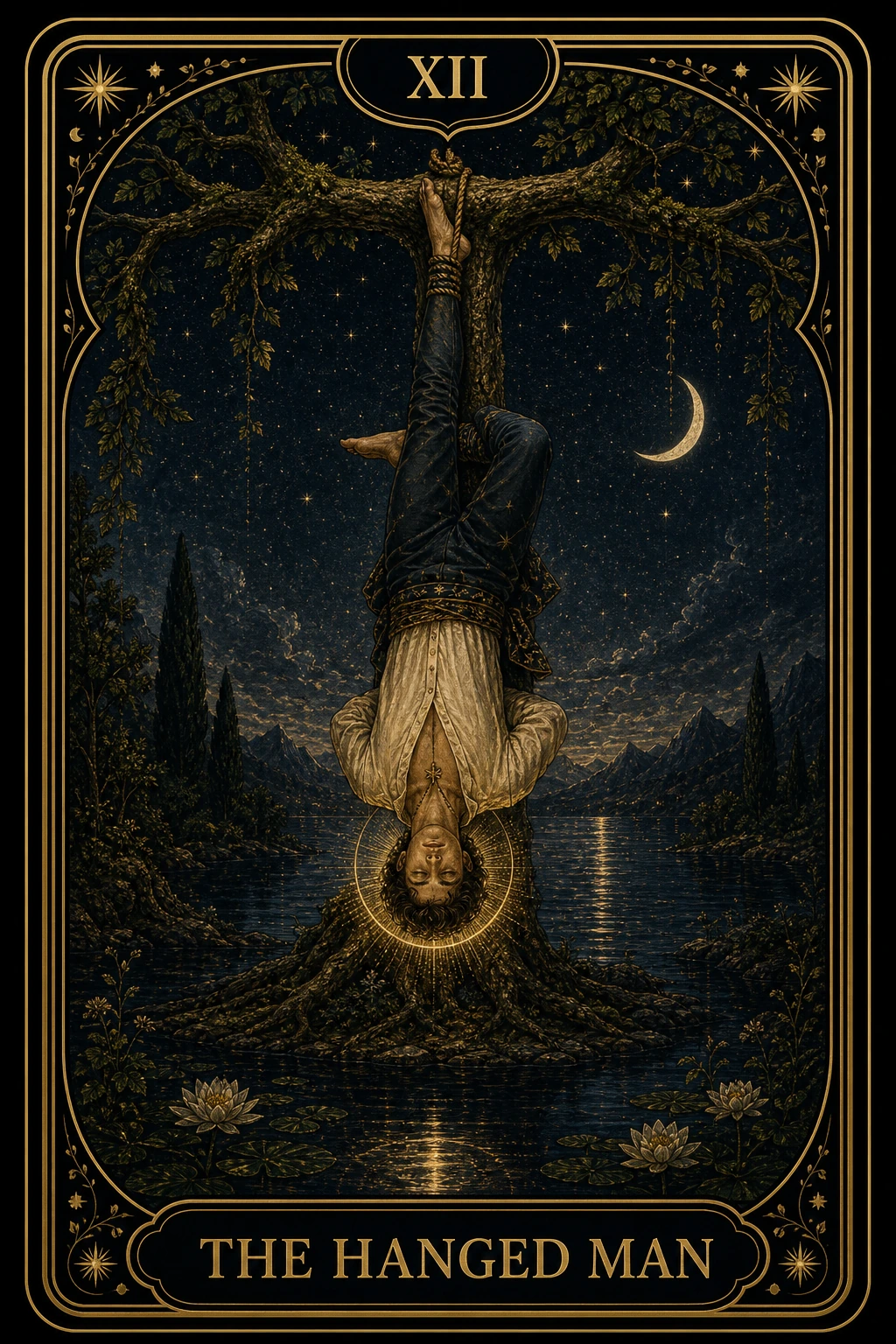
The Hanged Man asks you to stop solving the present moment with your usual posture. Upright, it speaks to fruitful suspension: a pause that reorganizes perception, loosens ego-control, and reveals what cannot be seen from a purely active stance. It is often uncomfortable precisely because it interrupts habit. At its core, The Hanged Man is about suspension, surrender, and changed perspective.
Not Yet. A pause, surrender, or perspective shift is required before the answer can move.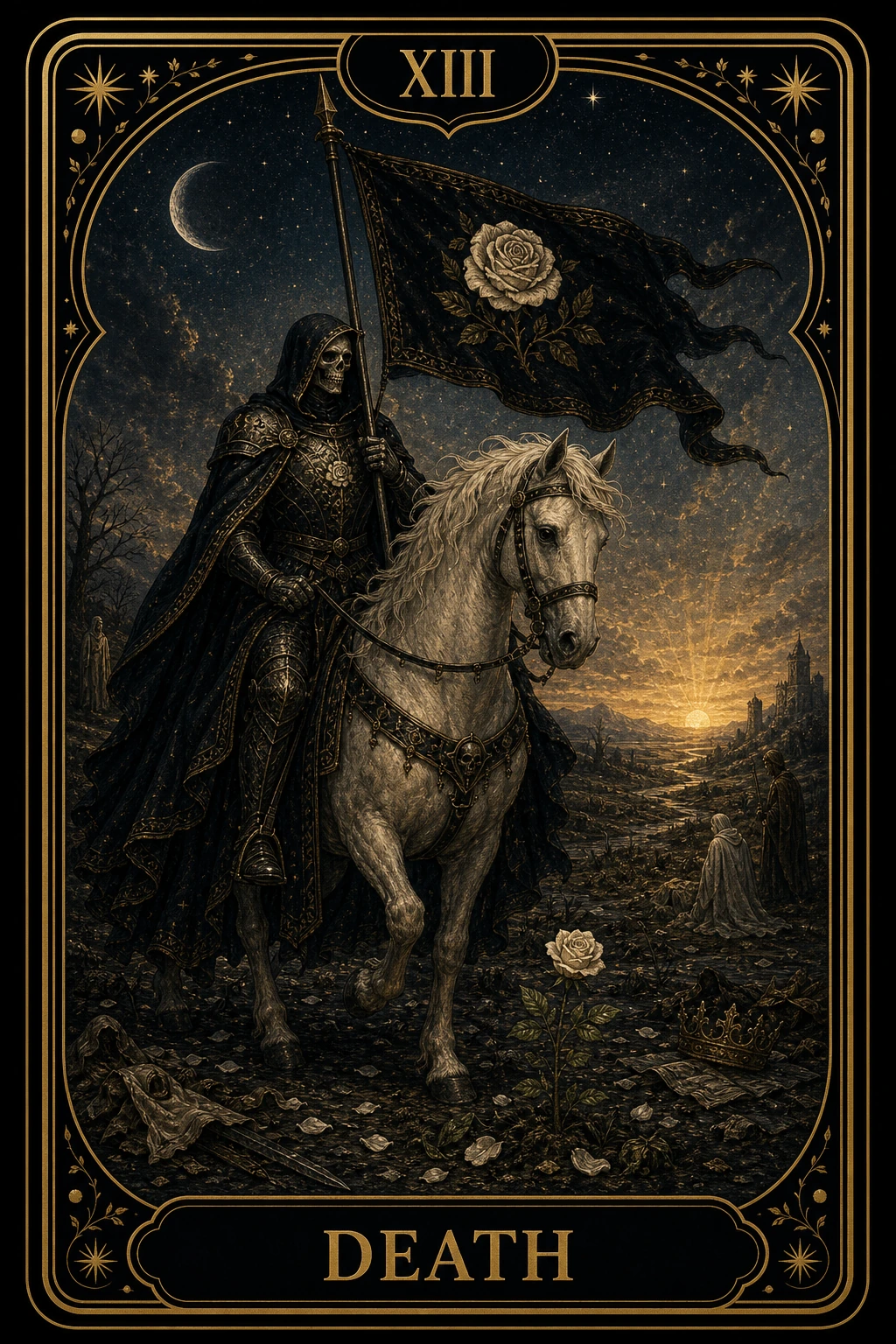
Death is the card of necessary endings. Upright, it does not predict disaster so much as irreversible change: the part of life where an old identity, attachment, or structure can no longer continue in its present form. The transformation may be chosen or imposed, but either way it asks for cooperation with reality rather than nostalgia for what has already finished. At its core, Death is about ending, release, and irreversible transformation.
Not Yet. A real ending or structural change has to happen first.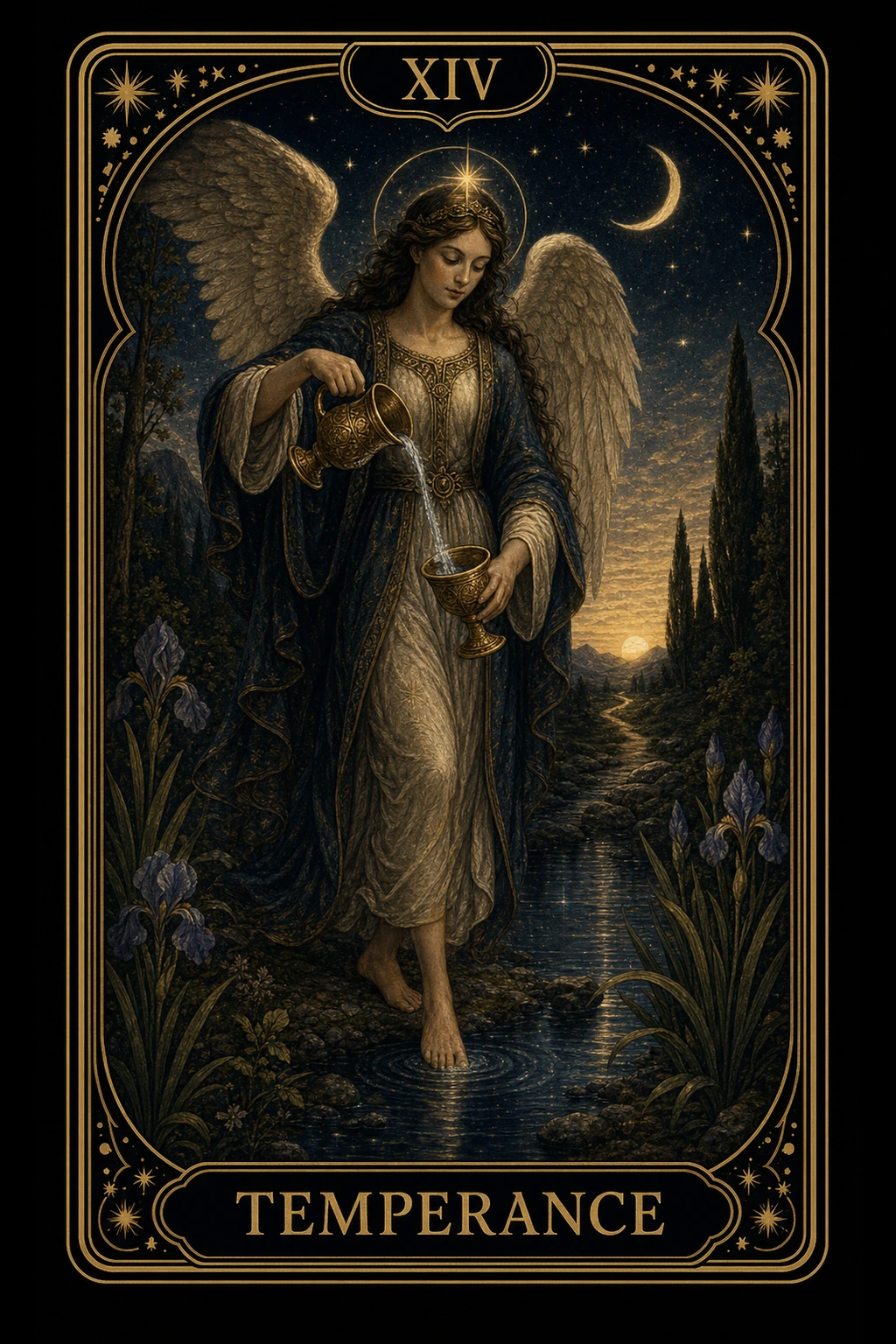
Temperance is the art of right proportion. Upright, it points to healing through integration: blending different needs, roles, or energies until a more sustainable rhythm emerges. This card values patience, refinement, and steady adjustment over dramatic swings. It is especially helpful when life has become polarized. At its core, Temperance is about integration, moderation, and sustainable flow.
Clear Yes. Balance, moderation, and integration support the path forward.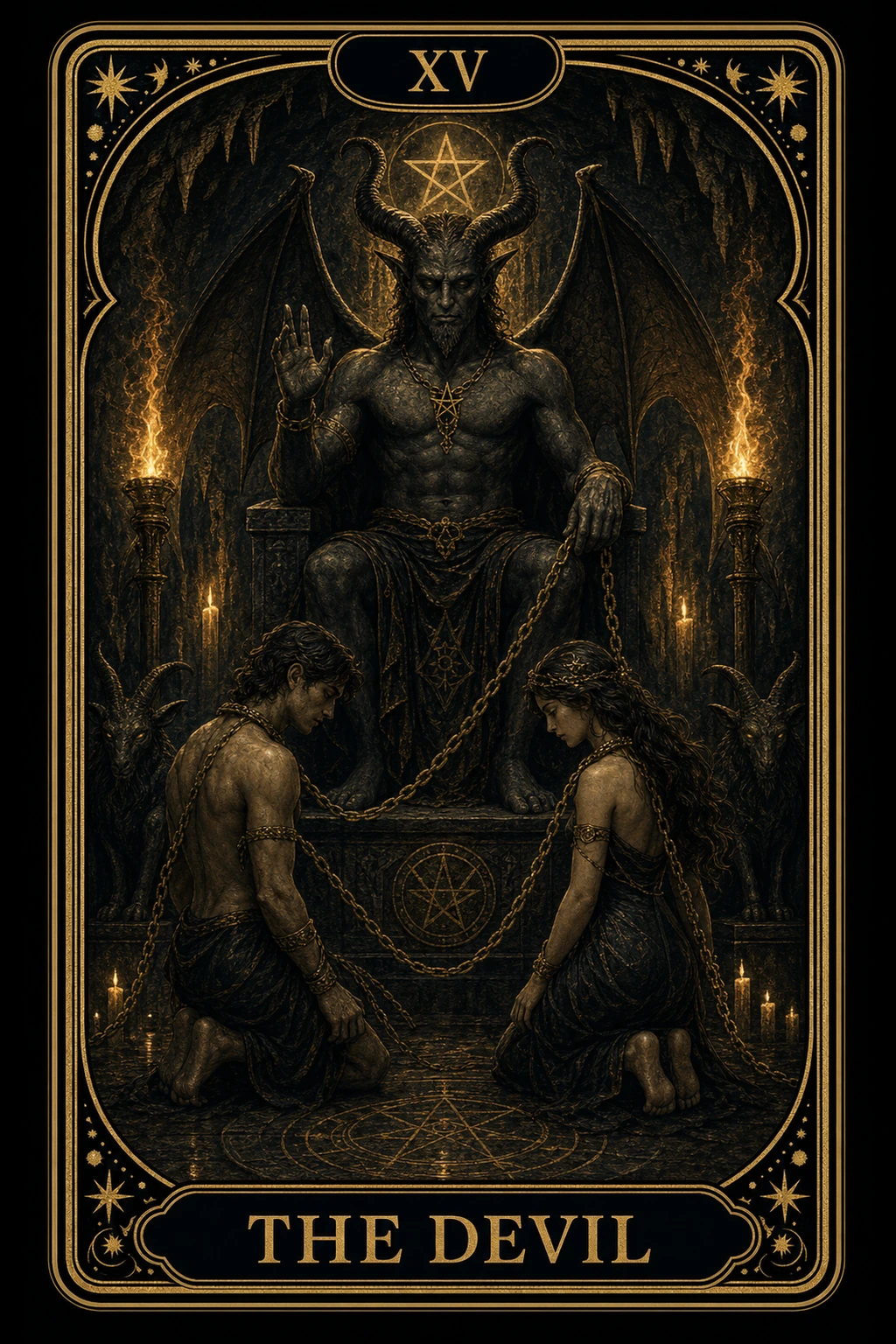
The Devil names what has leverage over you. Upright, it points to compulsive patterns, seductive agreements, or forms of dependency that promise relief while narrowing freedom. This card is not moralistic. It is diagnostic. It asks what desire is trying to solve, what cost is being hidden, and why the familiar trap still feels easier than honest responsibility. At its core, The Devil is about attachment, compulsion, and the truth about desire.
Clear No. Attachment, compulsion, or distorted desire is making the current path unsafe.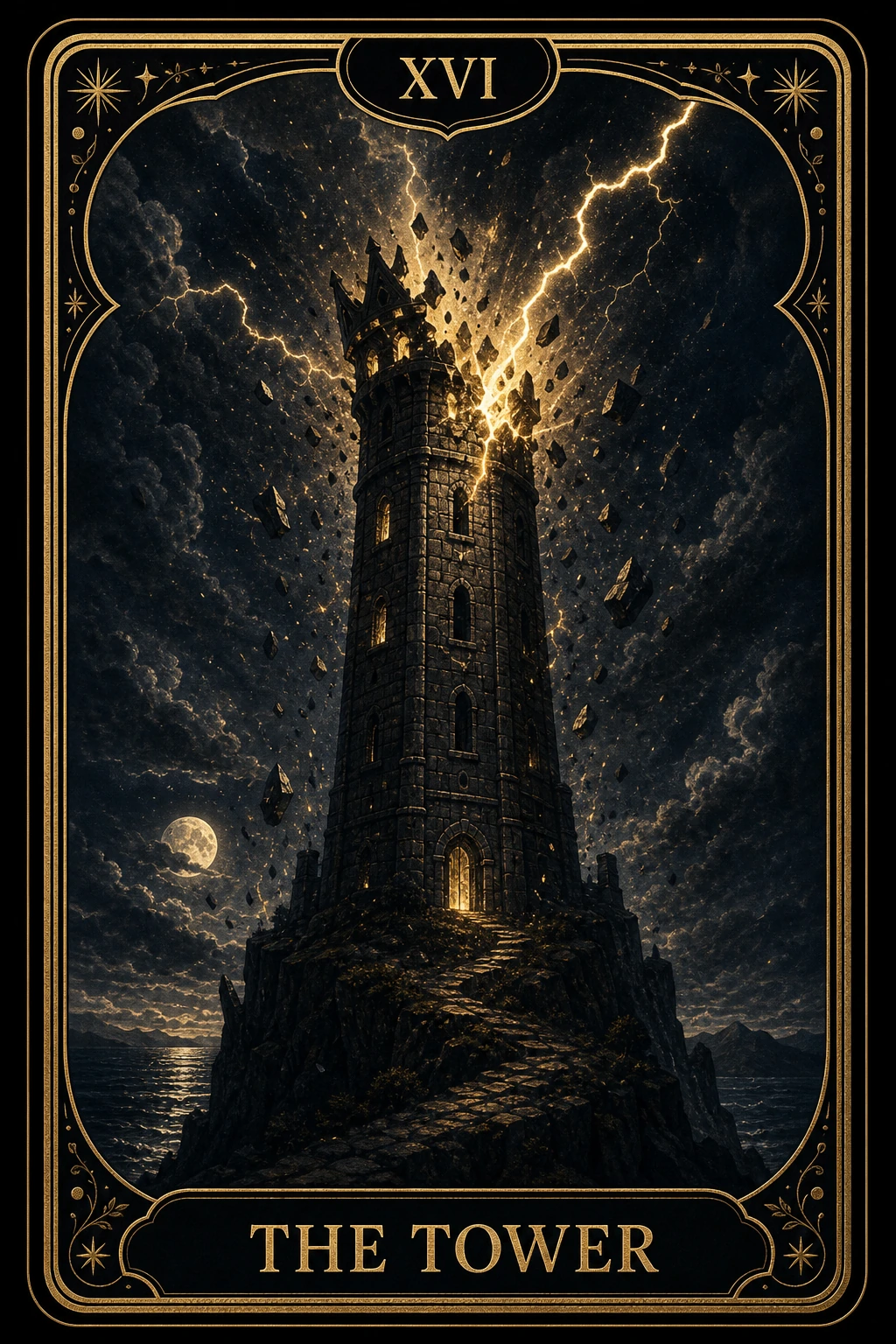
The Tower clears what can no longer hold. Upright, it describes abrupt revelation, structural failure, or a destabilizing truth that changes the landscape quickly. The pain of this card usually comes from exposure rather than malice: what was unsound is no longer able to pretend. In the long run, The Tower serves honesty by removing false security. At its core, The Tower is about rupture, revelation, and unstable structures collapsing.
Clear No. The current structure is unstable and needs disruption before progress is trustworthy.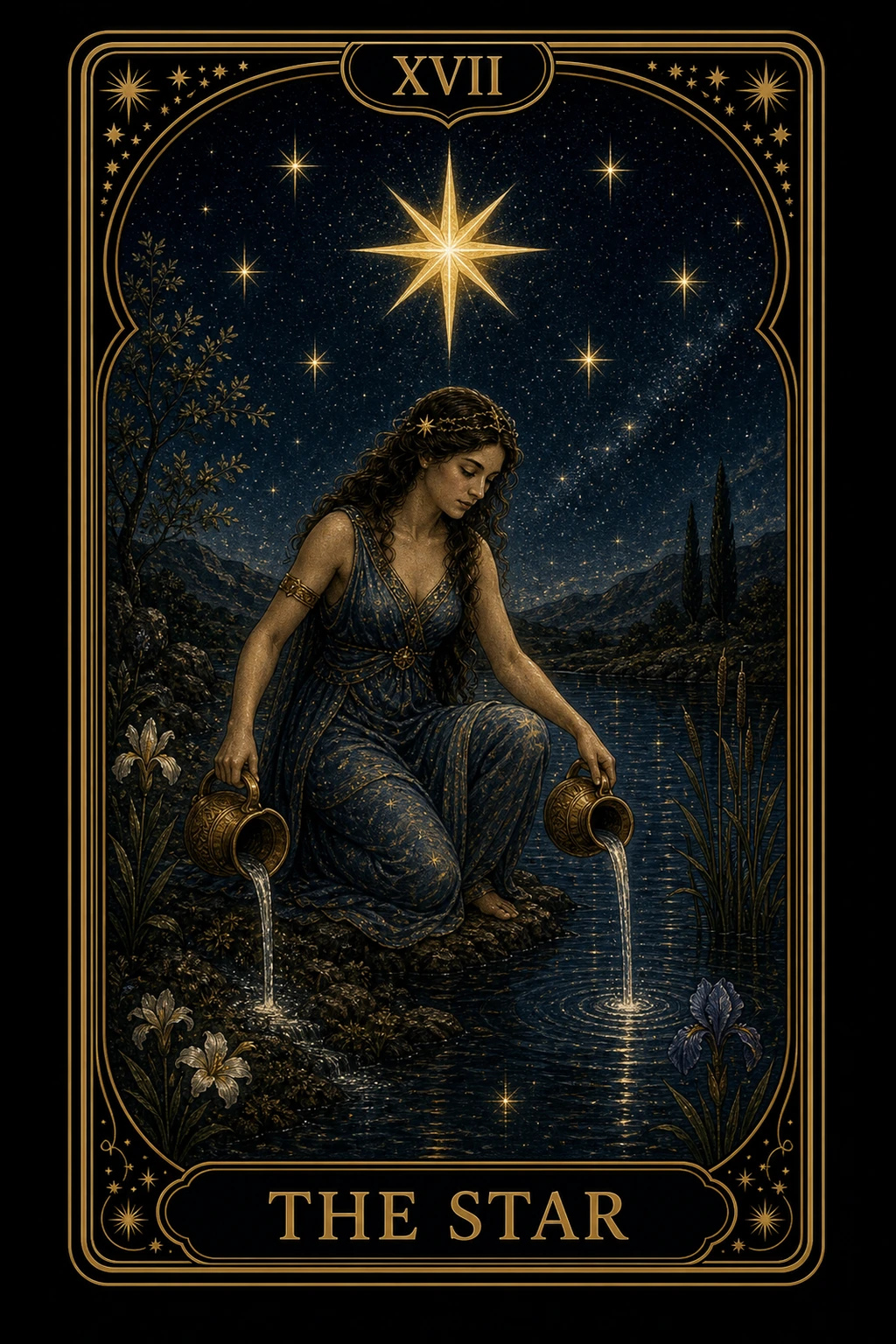
The Star arrives after disturbance and asks for a gentler kind of courage: the willingness to believe in repair. Upright, it speaks to healing, openness, and a future-oriented calm that does not need denial to survive. This card favors authenticity, replenishment, and sharing what is true without theatricality. At its core, The Star is about renewal, hope, and restorative honesty.
Clear Yes. Renewal and repair are available when hope is paired with patience.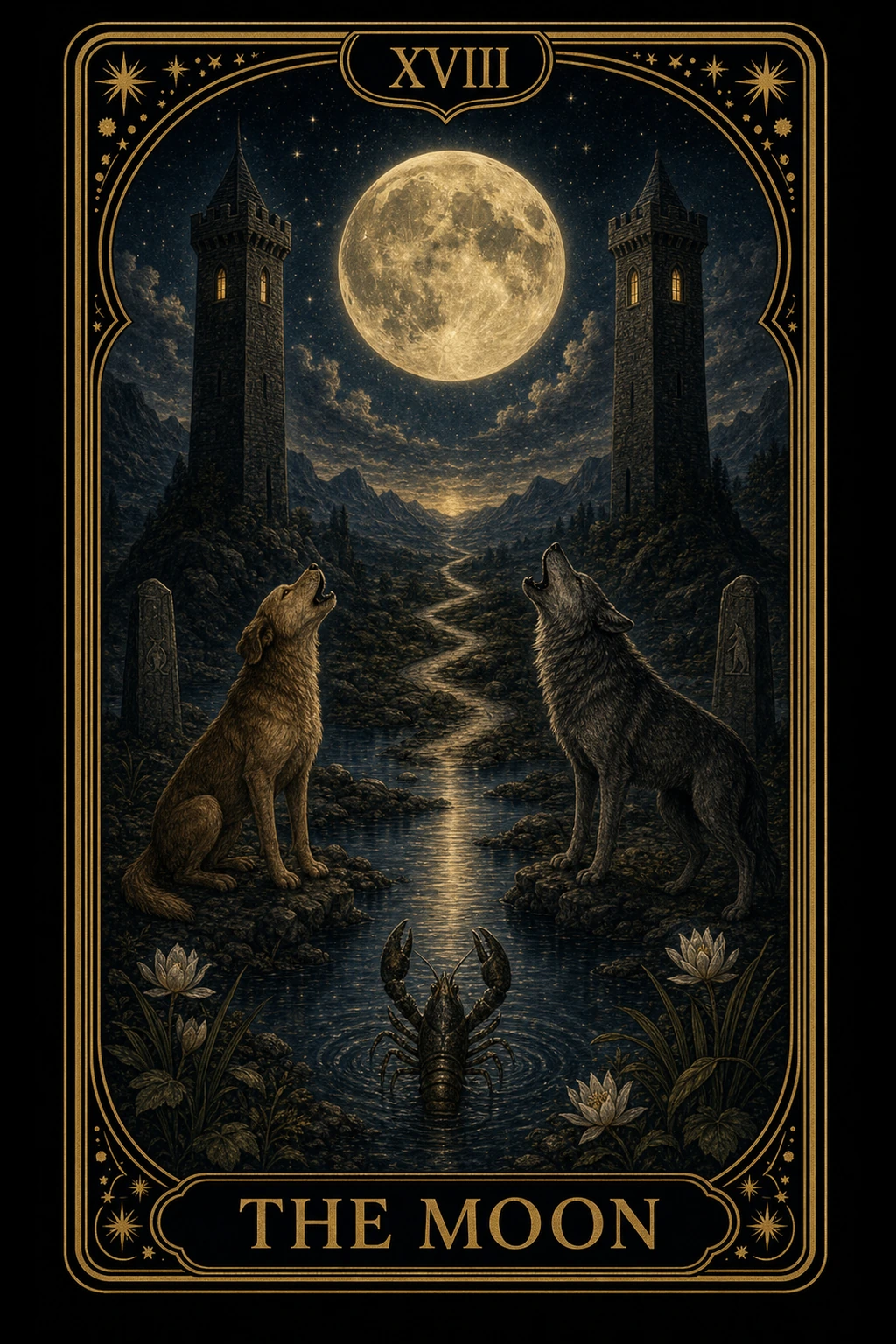
The Moon governs periods when the path is real but not fully visible. Upright, it points to heightened sensitivity, dream activity, projection, and the need to move carefully through uncertainty. Not everything unclear is deceptive, but not everything felt is trustworthy either. The card asks for intuition with boundaries and imagination with verification. At its core, The Moon is about uncertainty, intuition, and the psychology of shadows.
Maybe. Confusion, projection, or incomplete information makes the answer unreliable for now.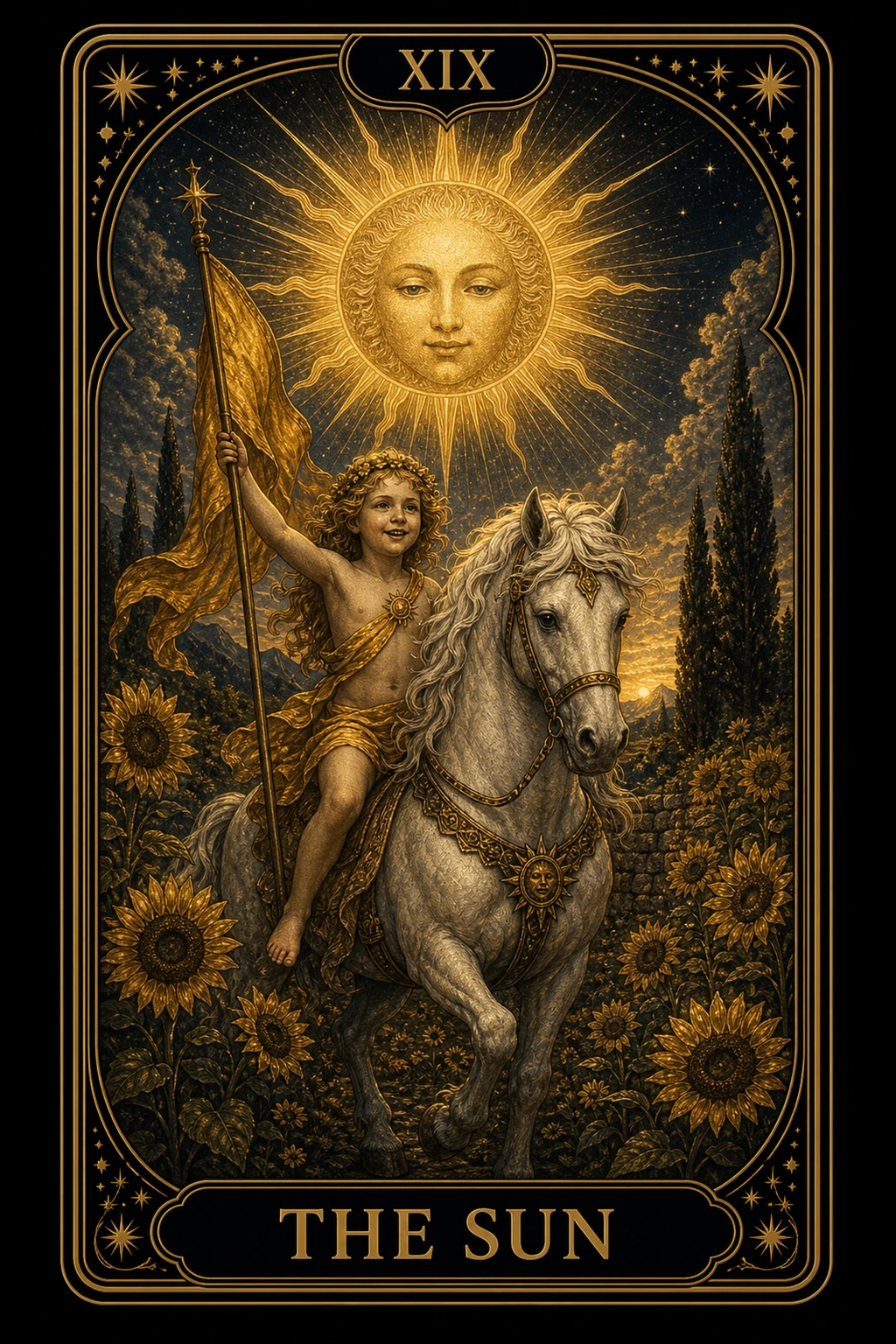
The Sun is the card of radiant coherence. Upright, it indicates visibility, confidence, and the life-giving effect of having less to hide. It favors joy that comes from congruence rather than performance: saying what is true, showing up fully, and allowing success or affection to be received without shrinking from it. At its core, The Sun is about clarity, vitality, and wholehearted expression.
Clear Yes. Clarity, vitality, and open confidence strongly support the outcome.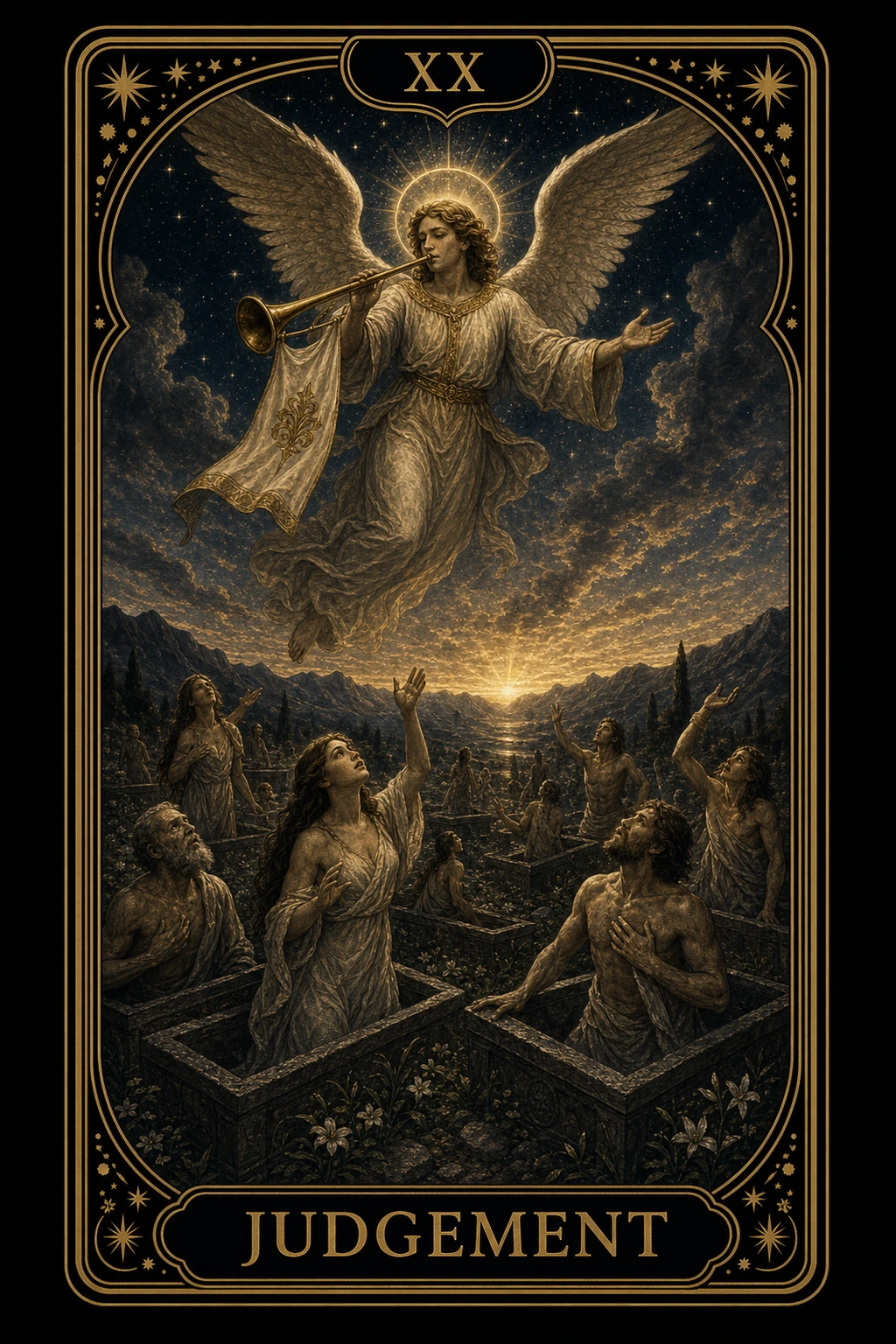
Judgement is the moment when life asks for an answer. Upright, it signals awakening, review, and the call to live from a more integrated version of yourself. Old material resurfaces not to shame you but to be understood, forgiven, and used differently. This card often accompanies decisions that feel morally or spiritually consequential. At its core, Judgement is about awakening, reckoning, and answering a deeper call.
Conditional Yes. The answer asks for honest review, accountability, and a cleaner next chapter.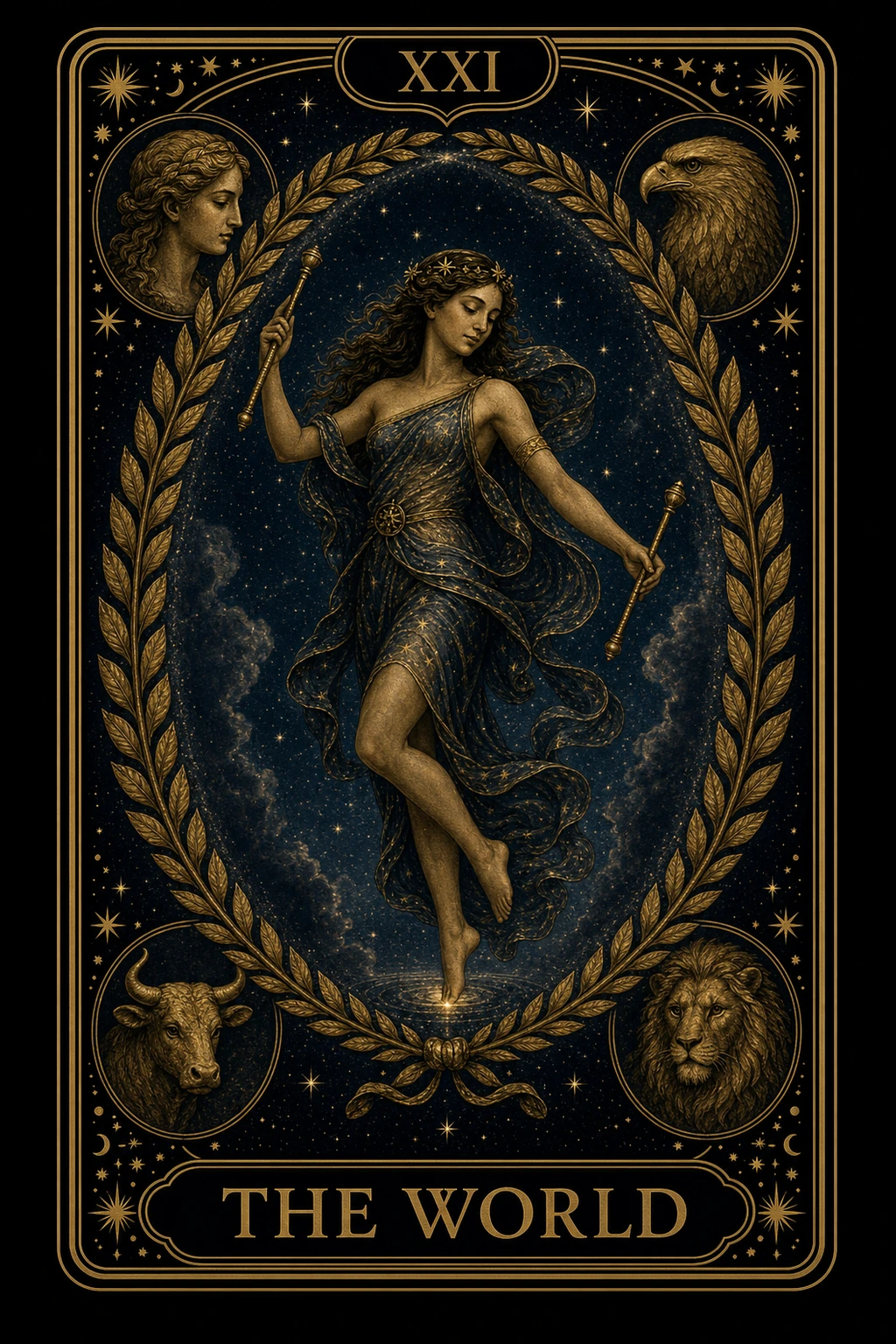
The World marks a cycle completed with enough awareness that it becomes wisdom rather than mere exhaustion. Upright, it points to integration, earned confidence, and a wider sense of belonging after long effort. Achievement is part of the card, but so is coherence: different parts of the self or of a project finally fitting together. At its core, The World is about completion, integration, and participation in a larger whole.
Clear Yes. Completion, integration, and readiness are strongly present.