
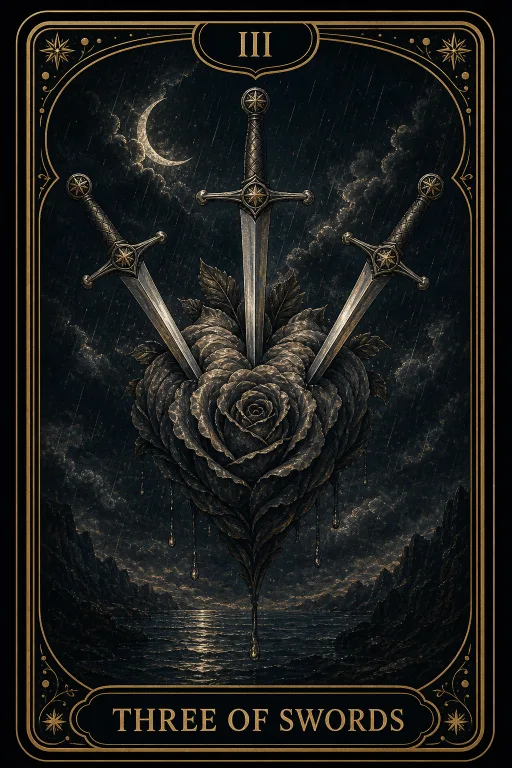
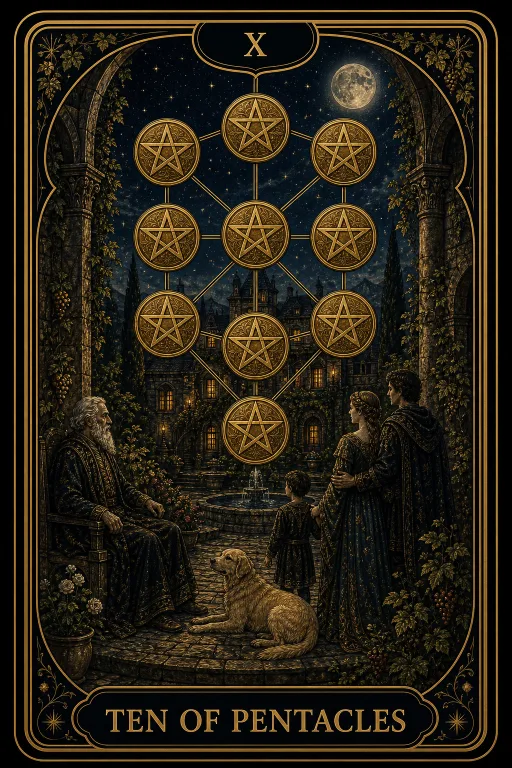
Start with three cards
Past, Present, Future is enough for most daily questions. It keeps the reading focused and makes the synthesis easier to test in real life.
A tarot spread gives each card a job. Start with a small spread, then use larger layouts only when the question truly needs more context.
Past, Present, Future is enough for most daily questions. It keeps the reading focused and makes the synthesis easier to test in real life.
Use larger spreads for layered situations with multiple pressures, but avoid adding cards just to escape an uncomfortable answer.
A good spread narrows the question. Add cards only when they give a new role to the reading, not when you are trying to outrun the first answer.
The spread should name the work each card is doing. Use these shapes when the question is emotional, relational, or practical, but not when the decision needs professional advice.
Compare the shape of each path before you turn the cards into a final choice.
Separate the part that can move now from the signal that still needs observation.
Read the emotional pattern before asking another person to become the answer.
Turn work tension into one testable move instead of a vague ambition.
Use the spread to notice the emotional driver, then check the numbers in real life.
Keep the reading small enough to review at the end of the day.
Start small, interpret each card by position, then move to a larger layout only when the situation truly has more layers.